

Cherry, Black (Potted)
Black cherry is a native tree known for its fragrant white spring blooms and dark summer fruit that support pollinators and provide important food for birds and wildlife in large-scale and naturalized plantings. Black cherry is offered as potted stock grown in root-prune pouches, allowing flexible planting through the growing season when conditions are suitable.
- Regular price
-
$50.00 - Regular price
-
- Sale price
-
$50.00
Couldn't load pickup availability
How and when do i get my plants?
Returns policy
We hope you to love your plants, but if your order arrives damaged, incorrect, or in poor condition please contact us within 24 hours with pictures or a description of the problem.
Learn more about returns and refunds.
Pairs well with
-
 Serviceberry (Potted)Serviceberry (Potted)
- Regular price
-
$50.00 $65.00 - Regular price
-
- Sale price
-
$50.00 $65.00
-
 Hazelnut, American (Potted)Hazelnut, American (Potted)
- Regular price
-
$50.00 $65.00 - Regular price
-
- Sale price
-
$50.00 $65.00
-
 Wild Strawberry (Potted)Wild Strawberry (Potted)
- Regular price
-
$17.00 - Regular price
-
$17.00 - Sale price
-
$17.00



Product Details
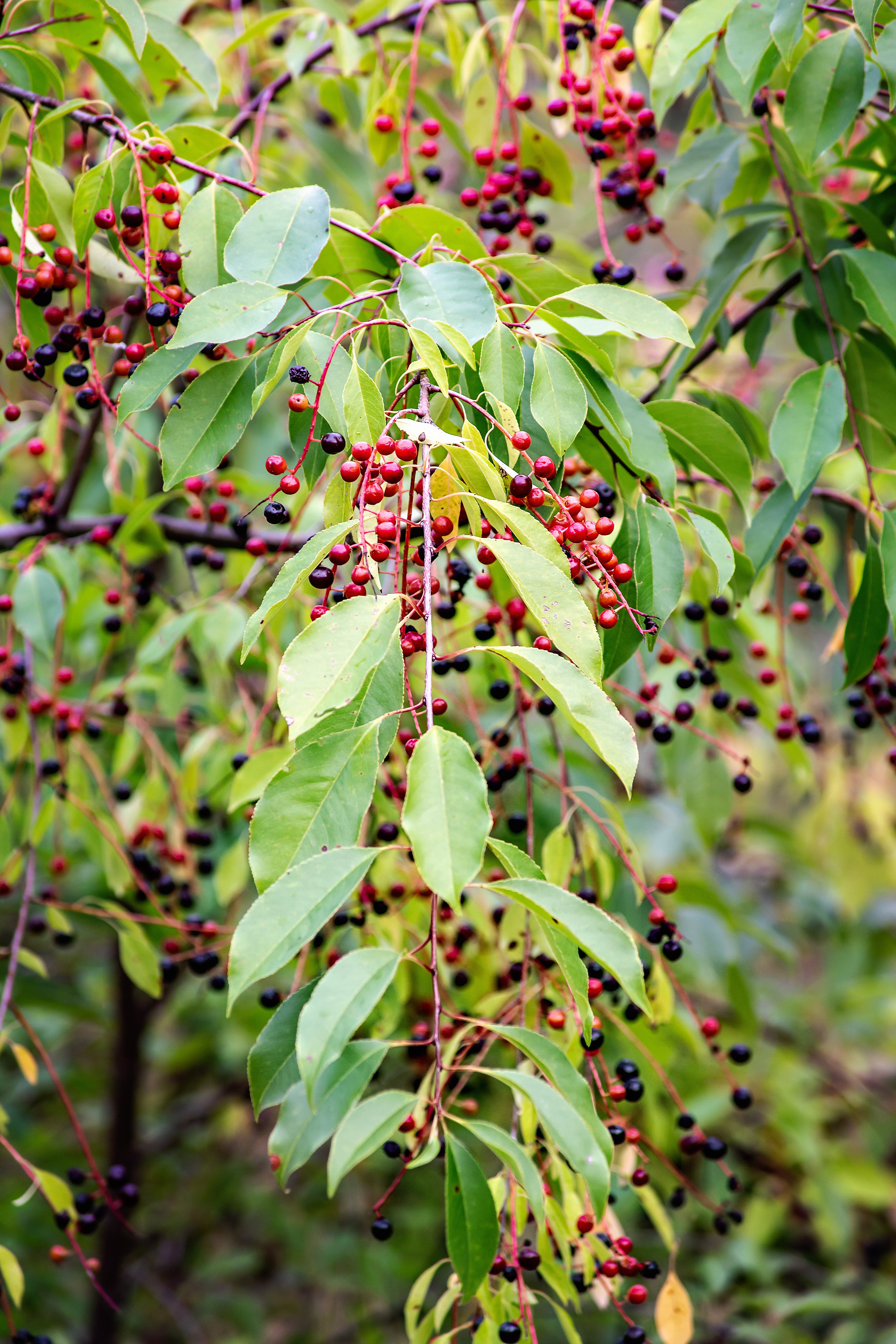
Black cherry is a large native tree valued for its fast growth, fragrant spring blooms, and strong ecological role in supporting wildlife. Offered as potted stock grown in root-prune pouches, it can be planted through the growing season when conditions allow, making it well suited for agroforestry systems, reforestation, and large-scale landscape plantings.
Botanically known as Prunus serotina, this species produces clusters of white flowers in spring followed by dark fruit in late summer. Native across the Midwest, Northeast, Southeast, and Southwest, it is widely recognized for both its ornamental qualities and its importance in native ecosystems.
Black cherry typically grows 50 to 80 feet tall with a spread of 30 to 60 feet, forming a substantial canopy over time. It grows in full sun to part sun and establishes in loamy, organic, and richer planting areas with well-drained conditions, including both acidic and calcareous soils when planted into a well-prepared site.
This species fits well in agroforestry plantings, woodland edges, and restoration projects where long-term structure and wildlife value are priorities. It provides nectar for pollinators and serves as a larval host for butterflies such as Eastern tiger swallowtail and red-spotted purple, while its fruit feeds birds including cedar waxwing and wild turkey as well as white-tailed deer, making potted stock grown in root-prune pouches a practical way to establish this foundational native tree.
Product Specifications
Wholesale & Project Buyers
We offer wholesale and bulk pricing for larger orders. We value long-term partnerships and are glad to support businesses, institutions, and nonprofit organizations working toward regenerative and ecological goals.
We regularly work with Farmers, Landscapers, Municipalities, Nonprofit Organizations, Plant Nurseries, Retailers, and Schools and Universities.
Wholesale customers can place bulk orders directly through our Plant Order Form, which allows quick shopping and select multiple products across our catalogue in one place.
For larger projects or specialized needs, we encourage you to contact us directly to discuss availability, pricing, and scheduling. We are happy to collaborate and help you source the right plants for your work.
-
Rooted in Ecological Restoration
We plant trees to rebuild soil, restore habitat, and reverse long-term land depletion. Every plant we grow serves a larger ecological purpose.
-
Regionally Appropriate Species
We prioritize species that are well suited to Northeast soils, temperatures, and seasonal rhythms, selecting plants with proven ecological and agricultural performance in this region.
-
Built for Long-Term Resilience
We grow for durability, biodiversity, and future generations. Strong root systems. Honest practices. Plants that establish and endure.