


White Cedar, Eastern (Potted)
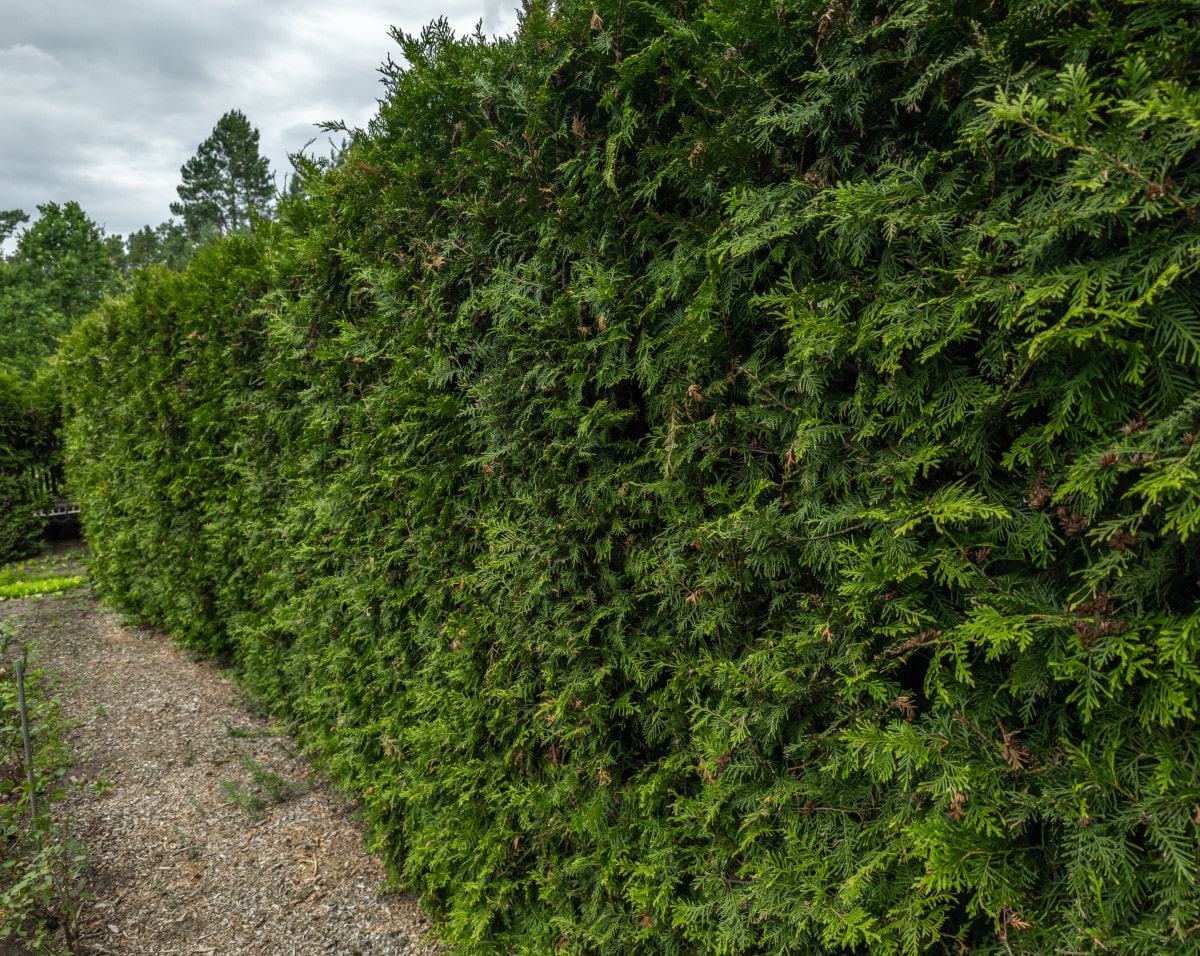
Eastern white cedar provides excellent cover for birds in winter and serves as an attractive choice for living fences or naturalized borders. Available as potted stock, these trees are grown in root-prune pouches.
- Regular price
-
$50.00 - Regular price
-
- Sale price
-
$50.00
Couldn't load pickup availability
How do i get my plants?
Returns policy
We hope you to love your plants, but if your order arrives damaged, incorrect, or in poor condition please contact us within 24 hours with pictures or a description of the problem.
Learn more about returns and refunds.
Pairs well with
-
 Dogwood, Red Osier (Potted)Dogwood, Red Osier (Potted)
- Regular price
-
$35.00 $50.00 - Regular price
-
- Sale price
-
$35.00 $50.00
-
 Dogwood, Silky (Potted)Dogwood, Silky (Potted)
- Regular price
-
$35.00 $50.00 - Regular price
-
- Sale price
-
$35.00 $50.00



Product Details
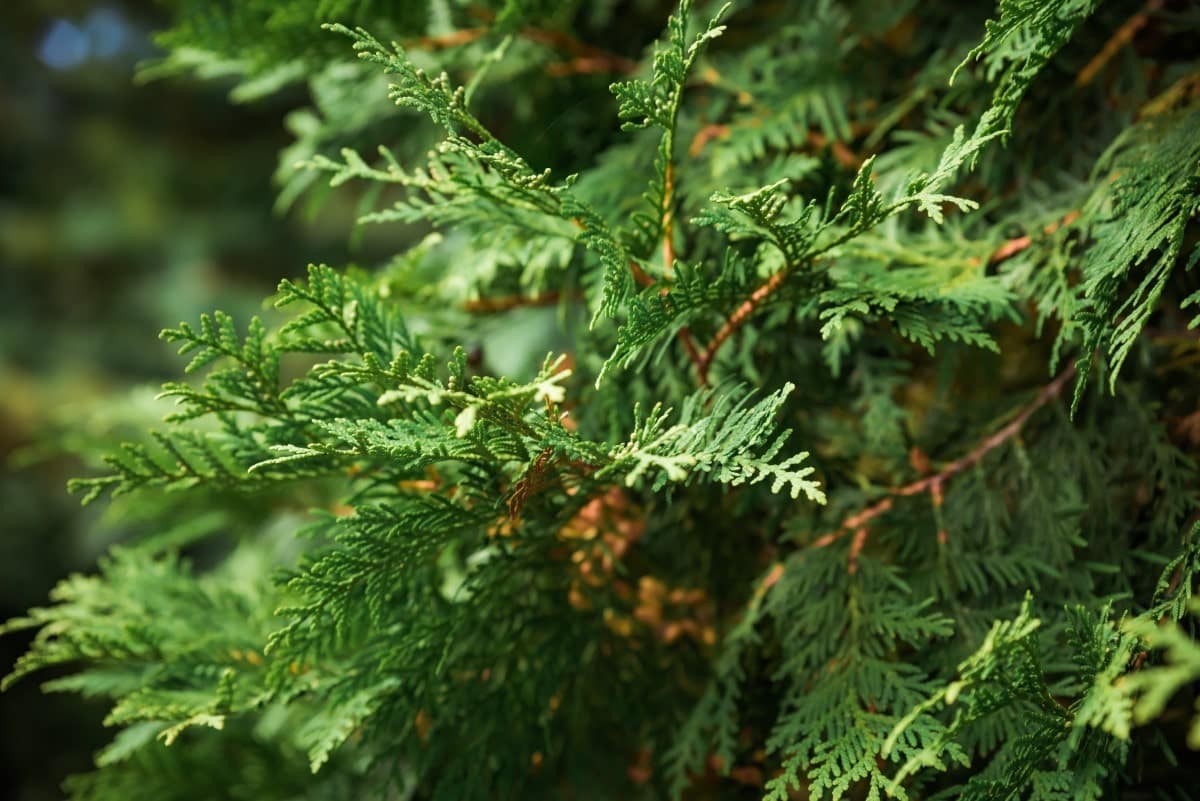
Valued for its ability to withstand diverse conditions, Eastern white cedar is a staple for creating habitat and defining property lines. This selection is offered as potted stock grown in root-prune pouches. This production style helps the tree transition smoothly into the landscape during the growing season.
As the straight species of Thuja occidentalis, this plant offers the genetic resilience often lost in highly bred ornamental varieties. It is a critical component of local ecosystems, providing essential shelter for birds and wildlife throughout the year. Interestingly, the leaves contain high levels of vitamin C, historically recognized for their nutritional properties.
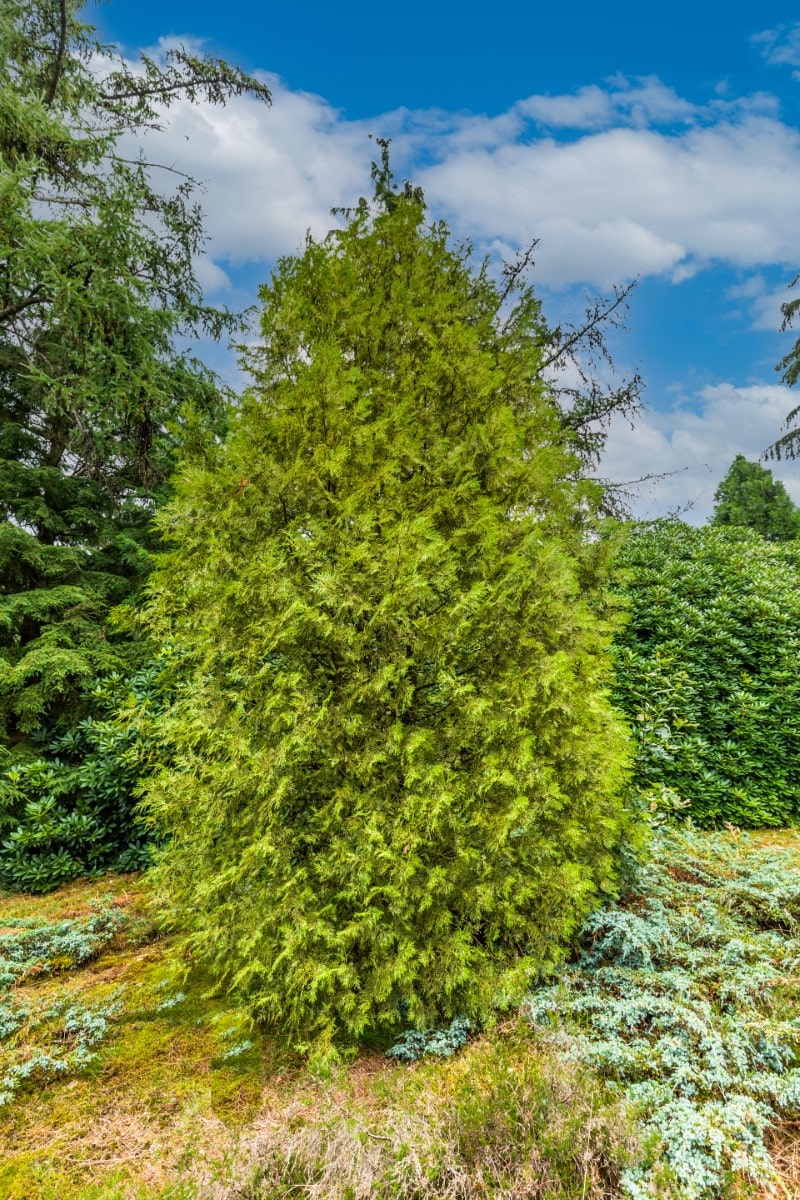
Ideally suited for hedgerows and restoration plantings, Eastern white cedar tolerates a wide range of challenges including air pollution and wet, clay-heavy ground. While it prefers moist, well-drained locations, it can endure occasional dry spells once settled. Gardeners should note that deer find the foliage attractive, making physical protection necessary in many regions. Expect a mature stature between 40 and 60 feet tall.
Potted stock allows for flexible planting schedules, enabling you to install these long-lived trees when conditions are favorable. Although exposed sites may cause some winter browning, the species is capable of surviving for centuries in the right environment. With proper siting and initial care, this cedar becomes a permanent and valuable part of the landscape.
Plant Values & Uses
Product Specifications
Wholesale & Project Buyers
We offer wholesale and bulk pricing for larger orders. We value long-term partnerships and are glad to support businesses, institutions, and nonprofit organizations working toward regenerative and ecological goals.
We regularly work with Farmers, Landscapers, Municipalities, Nonprofit Organizations, Plant Nurseries, Retailers, and Schools and Universities.
Wholesale customers can place bulk orders directly through our Plant Order Form, which allows quick shopping and select multiple products across our catalogue in one place.
For larger projects or specialized needs, we encourage you to contact us directly to discuss availability, pricing, and scheduling. We are happy to collaborate and help you source the right plants for your work.
-
Rooted in Ecological Restoration
We plant trees to rebuild soil, restore habitat, and reverse long-term land depletion. Every plant we grow serves a larger ecological purpose.
-
Regionally Appropriate Species
We prioritize species that are well suited to Northeast soils, temperatures, and seasonal rhythms, selecting plants with proven ecological and agricultural performance in this region.
-
Built for Long-Term Resilience
We grow for durability, biodiversity, and future generations. Strong root systems. Honest practices. Plants that establish and endure.