


Honey Locust (Thornless) (Potted)
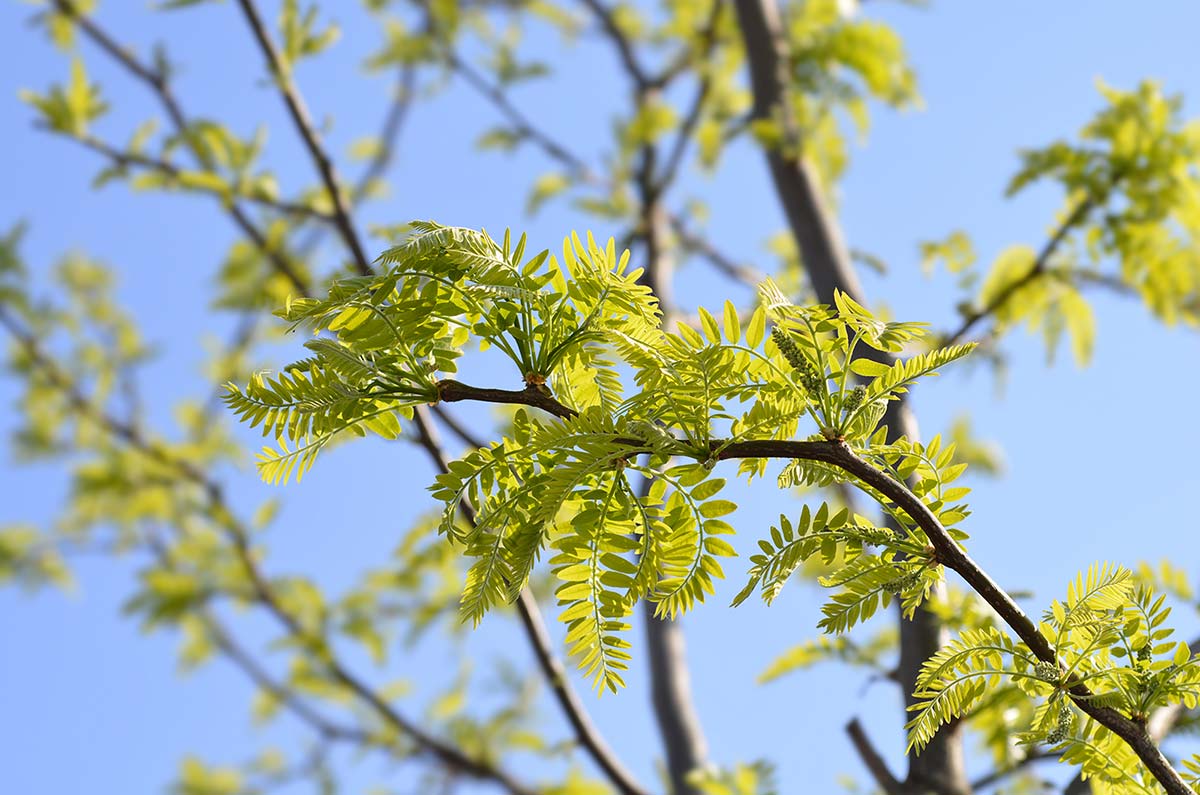
Honey locust is a resilient tree valued for its ability to improve soil, cast light shade, and feed local wildlife. This potted stock is grown in root-prune pouches to facilitate successful transplanting and establishment during the active growing season.
- Regular price
-
$50.00 - Regular price
-
- Sale price
-
$50.00
Couldn't load pickup availability
How do i get my plants?
Returns policy
We hope you to love your plants, but if your order arrives damaged, incorrect, or in poor condition please contact us within 24 hours with pictures or a description of the problem.
Learn more about returns and refunds.
Pairs well with

Product Details
Honey locust is an adaptable, soil-building tree that offers rapid growth and significant ecological benefits. Available as potted stock grown in root-prune pouches, these trees are suitable for planting throughout the growing season. The format offers flexibility for projects where dormant planting windows may not be feasible.
This variety of Gleditsia triacanthos is propagated from a thornless lineage to ensure ease of maintenance in agricultural or residential settings. The tree is particularly effective in silvopasture designs, where its canopy allows enough light for grass to flourish underneath. Beyond its structural benefits, the species is resilient against environmental stressors such as pollution and salt exposure.
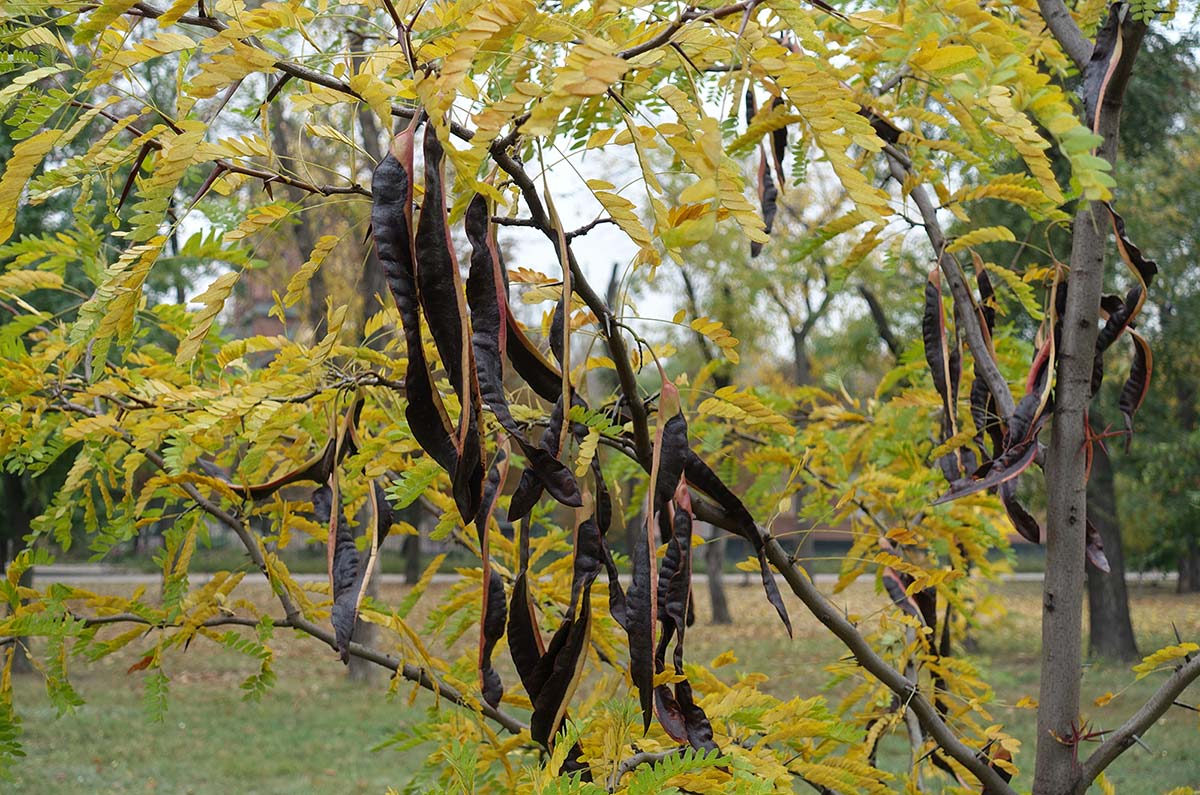
Honey locust performs best in full sun and demonstrates remarkable versatility regarding soil conditions, handling both temporary flooding and dry spells. It grows to approximately 60 feet tall and 40 feet wide, creating a substantial canopy for shade and shelter. The spring blooms draw in numerous pollinators, while the foliage supports the larvae of butterflies like the silver spotted skipper. Additionally, the seed pods contain sweet, edible flesh and beans that can serve as supplemental forage.
Choosing potted stock allows for a wider planting window and reduces the urgency associated with bareroot handling. With proper watering and site preparation, this tree establishes well across a range of site conditions. It stands as a durable, multi-purpose asset for sustainable land management and wildlife support.
Plant Values & Uses
Product Specifications
Wholesale & Project Buyers
We offer wholesale and bulk pricing for larger orders. We value long-term partnerships and are glad to support businesses, institutions, and nonprofit organizations working toward regenerative and ecological goals.
We regularly work with Farmers, Landscapers, Municipalities, Nonprofit Organizations, Plant Nurseries, Retailers, and Schools and Universities.
Wholesale customers can place bulk orders directly through our Plant Order Form, which allows quick shopping and select multiple products across our catalogue in one place.
For larger projects or specialized needs, we encourage you to contact us directly to discuss availability, pricing, and scheduling. We are happy to collaborate and help you source the right plants for your work.
-
Rooted in Ecological Restoration
We plant trees to rebuild soil, restore habitat, and reverse long-term land depletion. Every plant we grow serves a larger ecological purpose.
-
Regionally Appropriate Species
We prioritize species that are well suited to Northeast soils, temperatures, and seasonal rhythms, selecting plants with proven ecological and agricultural performance in this region.
-
Built for Long-Term Resilience
We grow for durability, biodiversity, and future generations. Strong root systems. Honest practices. Plants that establish and endure.