



Serviceberry (Bareroot)
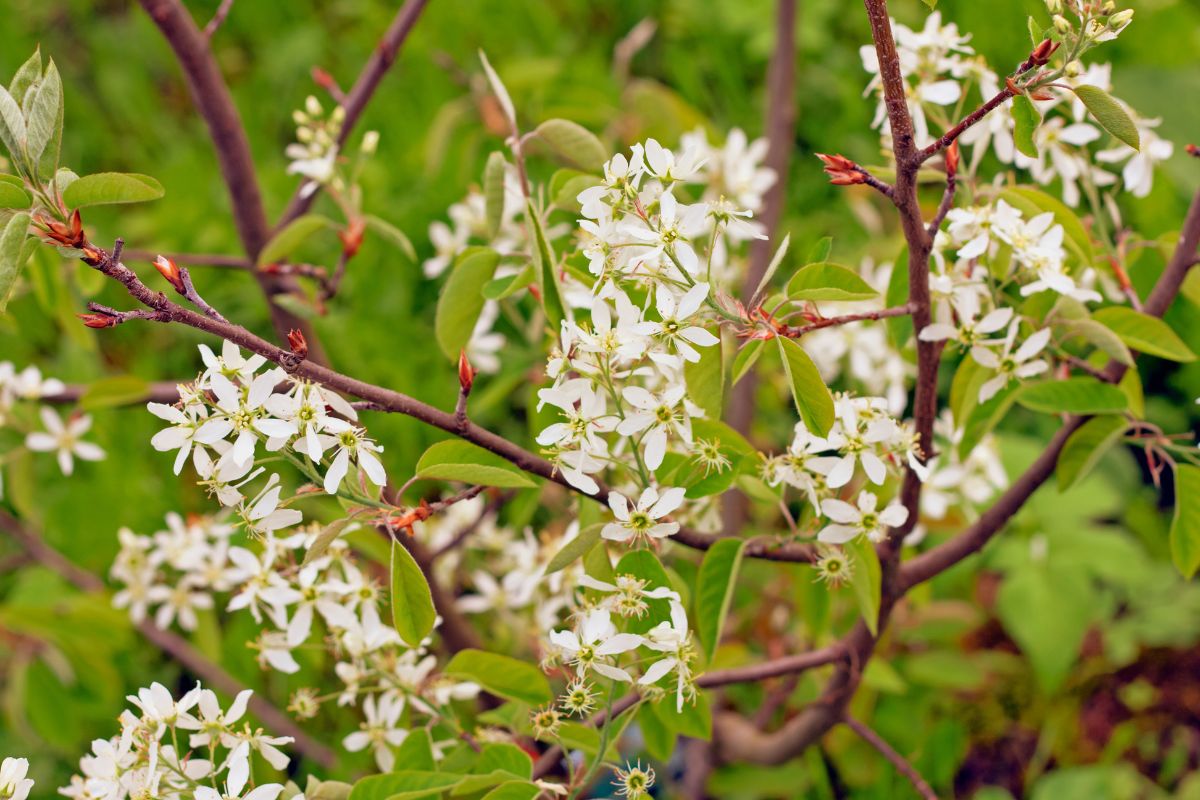
Serviceberry provides three-season interest with showy white blooms in early spring, edible purple fruits, and fiery fall foliage. This native shrub is offered as bareroot stock for late fall and early spring dormant planting to support successful establishment.
- Regular price
-
$12.00 - Regular price
-
- Sale price
-
$12.00
Couldn't load pickup availability
How do i get my plants?
Returns policy
We hope you to love your plants, but if your order arrives damaged, incorrect, or in poor condition please contact us within 24 hours with pictures or a description of the problem.
Learn more about returns and refunds.
Pairs well with
-
 Smooth Hydrangea (Bareroot)Smooth Hydrangea (Bareroot)
- Regular price
-
$12.00 - Regular price
-
- Sale price
-
$12.00
-
 American Linden (Bareroot)American Linden (Bareroot)
- Regular price
-
$12.00 - Regular price
-
- Sale price
-
$12.00
-
 Sweetbay Magnolia (Bareroot)Sweetbay Magnolia (Bareroot)
- Regular price
-
$12.00 - Regular price
-
- Sale price
-
$12.00



Product Details
Serviceberry delivers exceptional value to the landscape, combining ornamental beauty with a harvest of edible fruit. We offer this variety as bareroot stock, ideal for planting during the dormant windows of late fall and early spring. This format is an economical choice for establishing larger drifts or hedgerows. When planted correctly in a well-prepared site, these plants settle in before top growth begins.
Botanically known as Amelanchier canadensis, this species goes by many common names including Shadblow Serviceberry, Shadbush, and Juneberry. The 'Prince William' cultivar is a specific selection of this native understory shrub. It is recognized for its manageable size and consistent performance in varied settings.
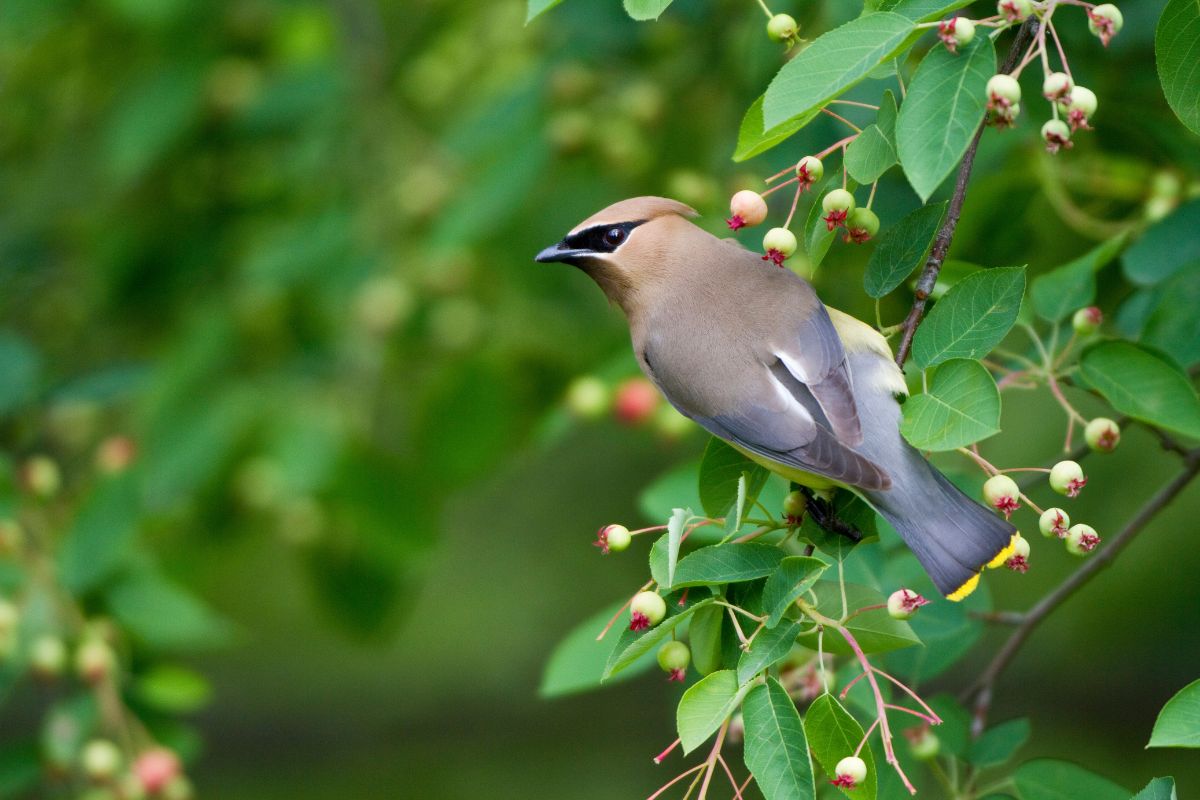
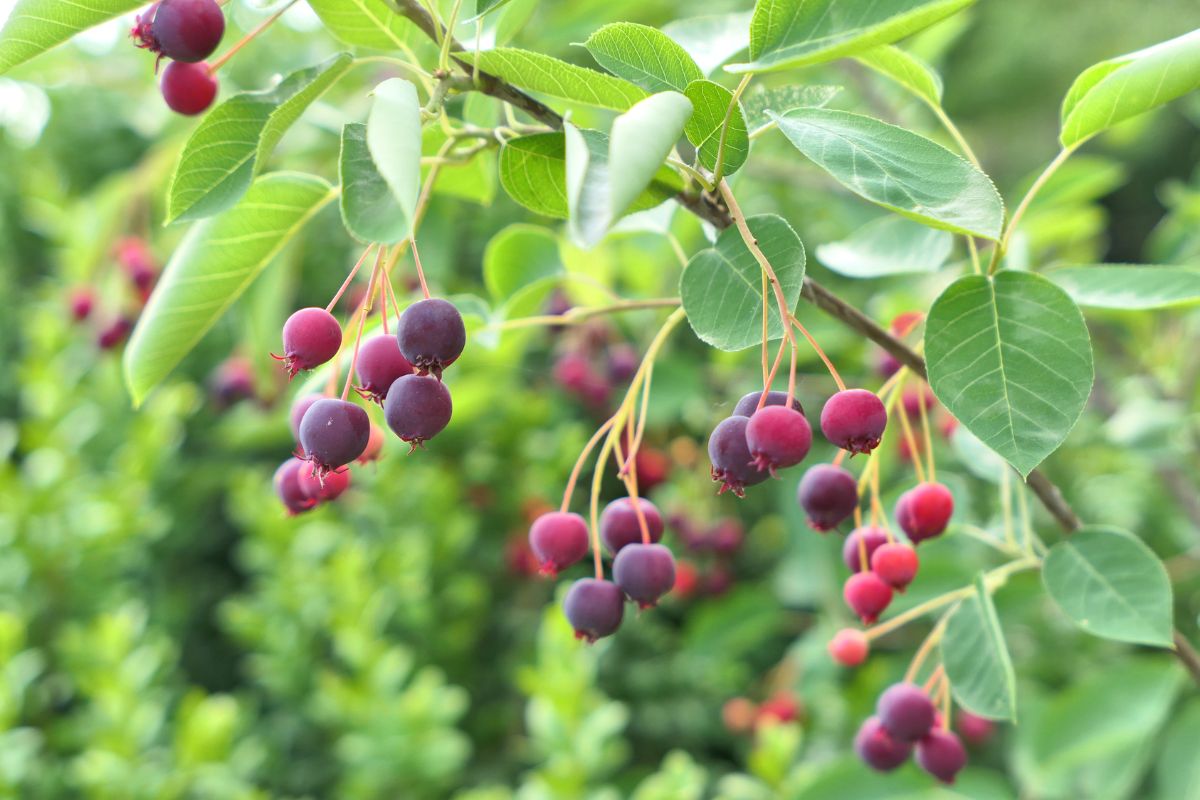
This shrub thrives in moist woodlands and swamps but can also demonstrate significant drought tolerance. Reaching a mature height of 8–12 feet with a spread of 6–8 feet, it fits well in naturalized borders or wildlife gardens. The juicy purple fruits ripen in summer and can be eaten raw or used in jams and baked goods, providing nourishment for humans and local wildlife alike.
Choosing bareroot plants ensures a direct connection with the soil structure from the start. These shrubs are ready to develop strong root systems upon planting. With proper care and site preparation, this Serviceberry will become a lasting feature in the landscape.
Cultivar Notes
- Selected from a group of seedlings and tends to more of a shrub form than tree.
- Noted for its abundant large berries and proliferation of spring blooms.
Plant Values & Uses
Product Specifications
Wholesale & Project Buyers
We offer wholesale and bulk pricing for larger orders. We value long-term partnerships and are glad to support businesses, institutions, and nonprofit organizations working toward regenerative and ecological goals.
We regularly work with Farmers, Landscapers, Municipalities, Nonprofit Organizations, Plant Nurseries, Retailers, and Schools and Universities.
Wholesale customers can place bulk orders directly through our Plant Order Form, which allows quick shopping and select multiple products across our catalogue in one place.
For larger projects or specialized needs, we encourage you to contact us directly to discuss availability, pricing, and scheduling. We are happy to collaborate and help you source the right plants for your work.
-
Rooted in Ecological Restoration
We plant trees to rebuild soil, restore habitat, and reverse long-term land depletion. Every plant we grow serves a larger ecological purpose.
-
Regionally Appropriate Species
We prioritize species that are well suited to Northeast soils, temperatures, and seasonal rhythms, selecting plants with proven ecological and agricultural performance in this region.
-
Built for Long-Term Resilience
We grow for durability, biodiversity, and future generations. Strong root systems. Honest practices. Plants that establish and endure.