

Bee Balm, Spotted (Potted)
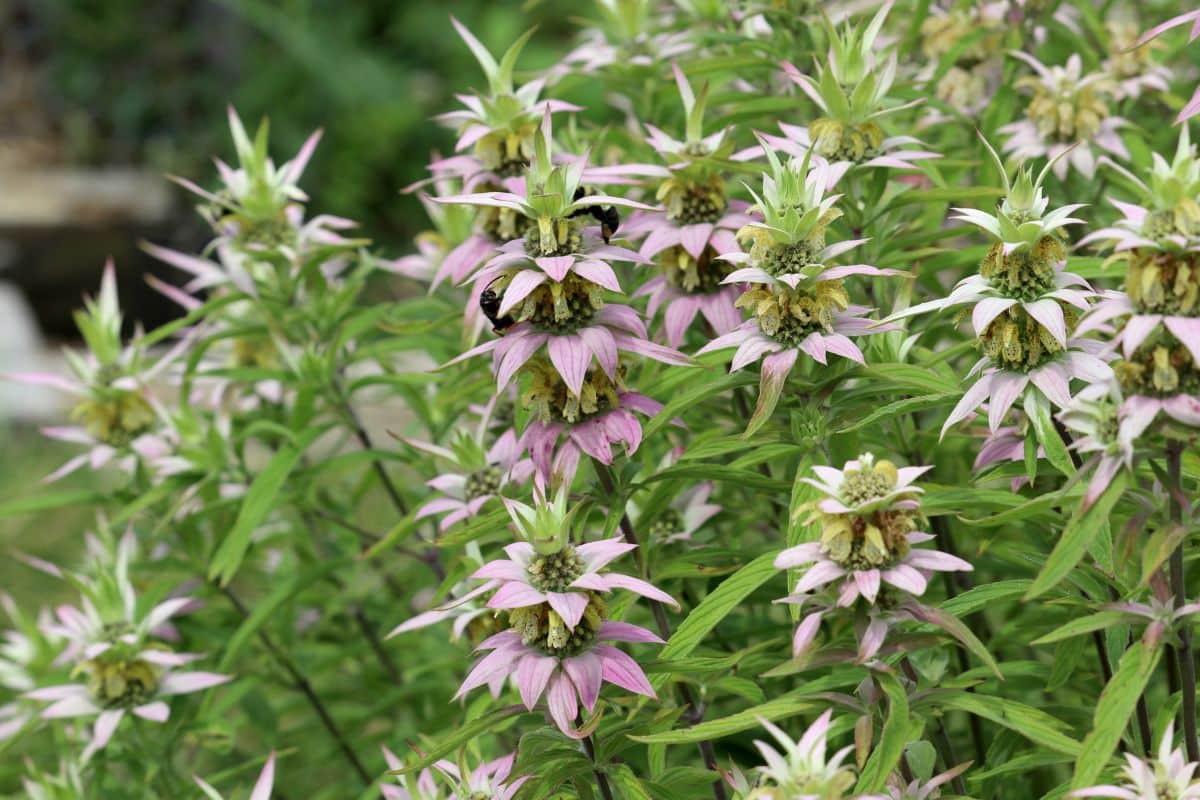
Spotted bee balm is a native wildflower featuring distinct yellow-spotted flowers on purple bracts that attract pollinators and host moth larvae. This herbaceous perennial is offered as potted stock grown in root-prune pouches for successful transplanting into dry or sandy sites.
- Regular price
-
$13.00 - Regular price
-
$17.00 - Sale price
-
$13.00
Couldn't load pickup availability
How do i get my plants?
Returns policy
We hope you to love your plants, but if your order arrives damaged, incorrect, or in poor condition please contact us within 24 hours with pictures or a description of the problem.
Learn more about returns and refunds.
Pairs well with
-
 Bee Balm, Wild (Potted)Bee Balm, Wild (Potted)
- Regular price
-
$13.00 - Regular price
-
$17.00 - Sale price
-
$13.00
-
 Bluestem, Little (Potted)Bluestem, Little (Potted)
- Regular price
-
$17.00 - Regular price
-
- Sale price
-
$17.00



Product Details
Spotted bee balm brings unique visual interest and ecological value to dry landscapes with its distinct yellow-spotted flowers and purple bracts. Offered as potted stock grown in root-prune pouches, this native perennial is available for planting throughout the growing season. This production method allows the plant to be transferred effectively to a well-prepared site.
Monarda punctata, also known as spotted horsemint, is a member of the mint family that contains high levels of thymol, a compound associated with traditional uses for treating colds and sore throats. Unlike related species, spotted bee balm forms clumps but is not considered aggressive in the landscape.
Ideally suited for pollinator gardens, restoration projects, or dry borders, this wildflower thrives in full to partial sun. It performs well in dry to average soil moisture and is particularly adapted to sandy conditions. Hardy in USDA zones 3–10, it reaches a mature height of 1–3 feet with a spread of approximately 1 foot. It serves as a valuable resource for pollinators and functions as a larval host for various moth species.
Planting potted stock allows for flexibility in timing, enabling installation when site conditions are favorable. With proper care during the establishment phase, spotted bee balm develops into a resilient component of the local ecosystem. This adaptable native adds both ornamental beauty and functional habitat support to sunny, well-drained locations.
Plant Values & Uses
Product Specifications
Wholesale & Project Buyers
We offer wholesale and bulk pricing for larger orders. We value long-term partnerships and are glad to support businesses, institutions, and nonprofit organizations working toward regenerative and ecological goals.
We regularly work with Farmers, Landscapers, Municipalities, Nonprofit Organizations, Plant Nurseries, Retailers, and Schools and Universities.
Wholesale customers can place bulk orders directly through our Plant Order Form, which allows quick shopping and select multiple products across our catalogue in one place.
For larger projects or specialized needs, we encourage you to contact us directly to discuss availability, pricing, and scheduling. We are happy to collaborate and help you source the right plants for your work.
-
Rooted in Ecological Restoration
We plant trees to rebuild soil, restore habitat, and reverse long-term land depletion. Every plant we grow serves a larger ecological purpose.
-
Regionally Appropriate Species
We prioritize species that are well suited to Northeast soils, temperatures, and seasonal rhythms, selecting plants with proven ecological and agricultural performance in this region.
-
Built for Long-Term Resilience
We grow for durability, biodiversity, and future generations. Strong root systems. Honest practices. Plants that establish and endure.